

How Drift works
A card
Every stop is one card filling the screen: a Wikipedia article, or a public domain artwork from The Metropolitan Museum of Art. A title, a short description, an opening extract, and a picture if the page has a freely licensed one. “Read more” opens the full article inside the card, with tables and the infobox.
Nothing on a card moves on its own. There is no autoplay and no countdown.
Threads
Under each card is a short row of threads: related articles you can go to, labelled so you know what they are first. Nearby means closely related. Tangent means further out.
Pulling one is how you say where to go next. Here is the demo, bundled into the page:
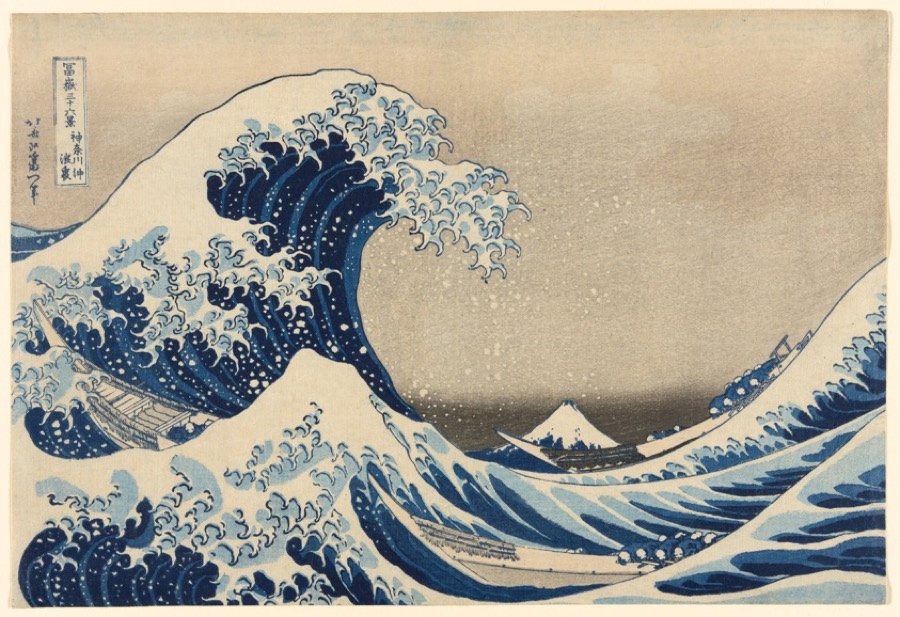
Woodblock print · Hokusai, c. 1831
The Great Wave off Kanagawa
A towering wave curls over three boats while Mount Fuji sits small and calm in the distance.
Pull a thread
Tap a thread above to move on.
The Great Wave leads to ukiyo-e, which leads to Impressionism, because ukiyo-e did influence the Impressionists.
Drifting
If you do not want to pick a direction, scroll on and Drift chooses the next card, from well-formed pages in the areas you have been reading.
Every card carries a line saying why it appeared: the thread you pulled, the field you are inside, or “drifting” when nothing was chosen.
Four ways to begin
- Surprise me. Start anywhere.
- Drift within a field. Stay inside one of 28 areas, from Mathematics to Military History, for the session.
- Circle one page. Name an article and drift its widening neighbourhood.
- In the news. Wander the encyclopedia articles behind this month's stories, in one subject. The articles, not the reporting.
You can change your mind partway through. A focus can be released (“drift freely”) or re-anchored on the card you are reading, without ending the trail.
Realms
There are two, and you can cross between them. Encyclopedia is Wikipedia. Gallery is The Metropolitan Museum of Art's open access collection: public domain paintings, prints and objects, zoomable, with the museum's own label.
When a card has a counterpart in the other realm, a doorway appears. From an article about Van Gogh you can step across to his paintings, and from a Hokusai print to the article.
The trail map
When you stop, the session is drawn as a map: where you began, each stop, which threads you pulled and where you drifted.
The Great Wave off Kanagawa
Started here
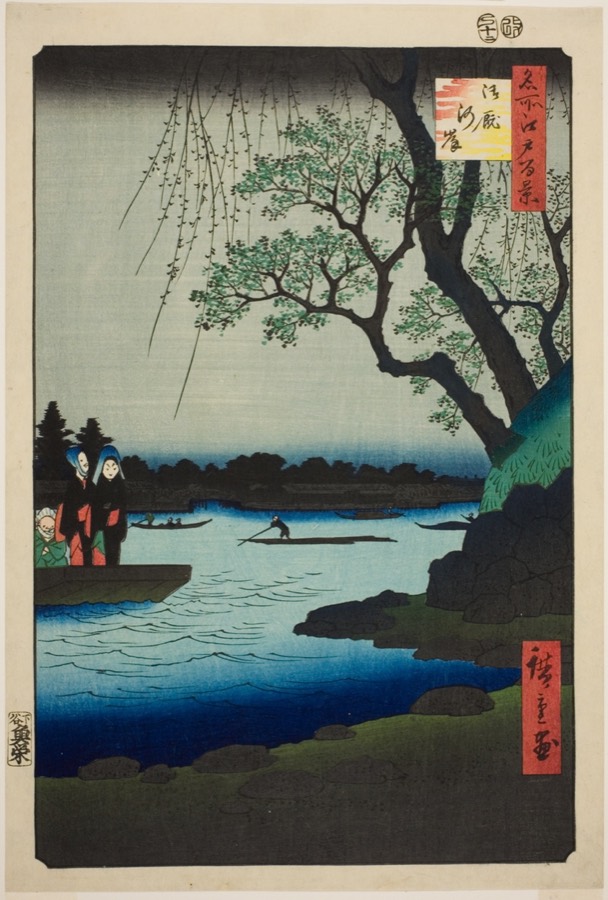
Ukiyo-e
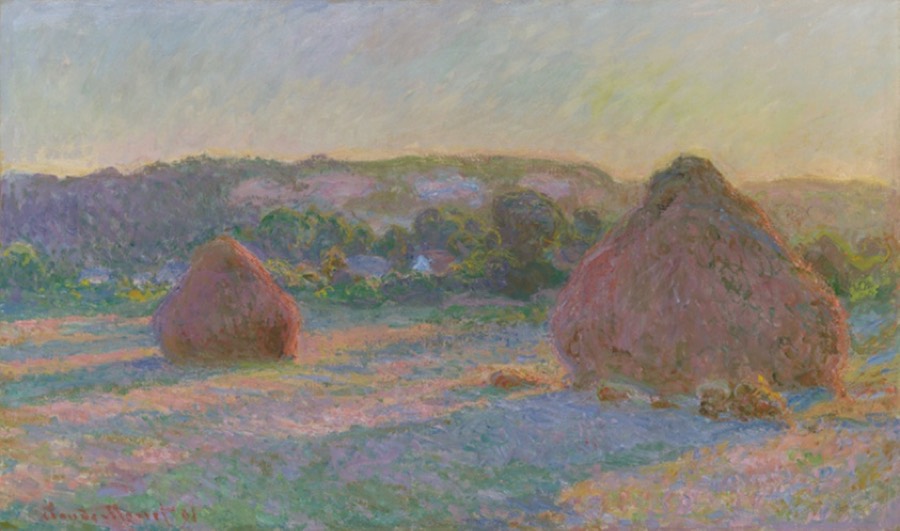
Impressionism
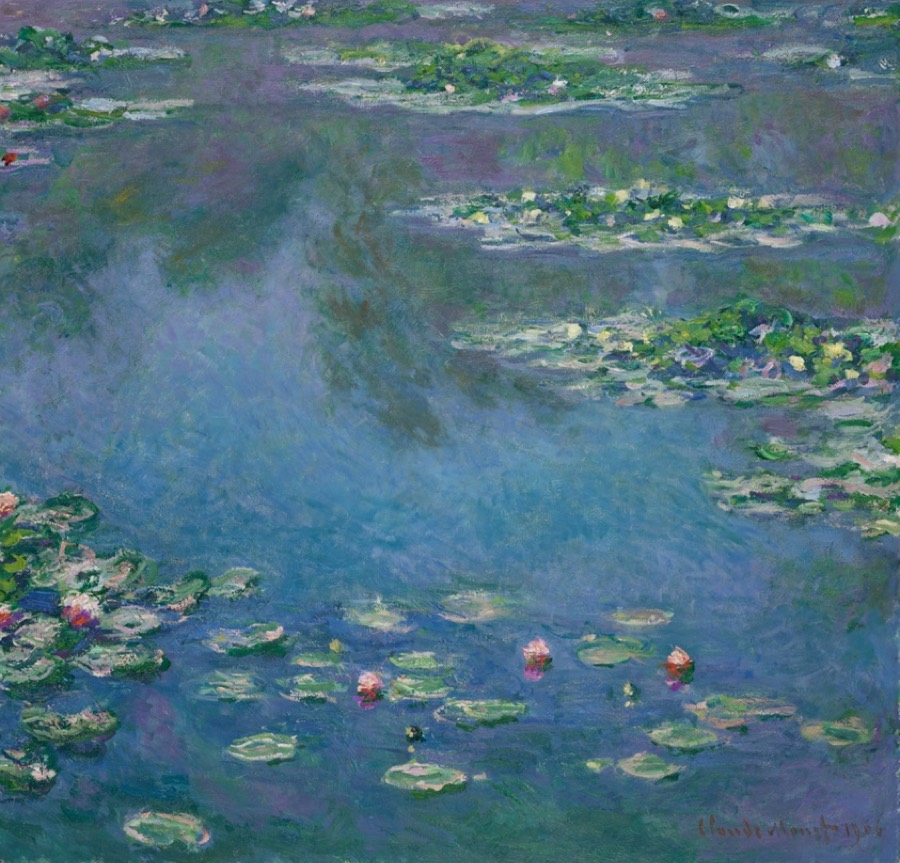
Claude Monet
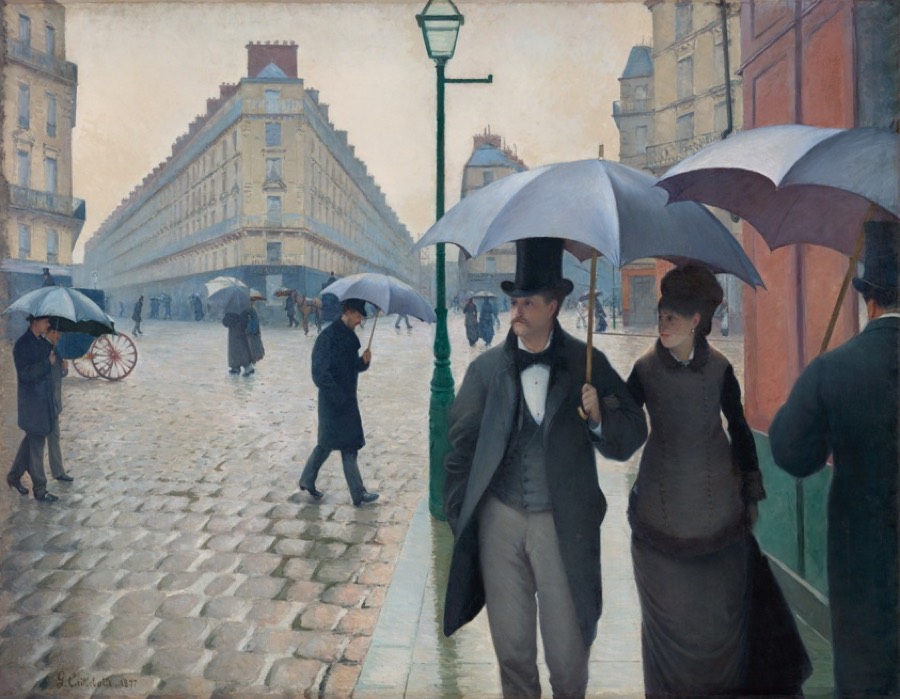
Paris Street; Rainy Day
You are here
Titles from Wikipedia · CC BY-SA 4.0excerpted · mapped with Drift
You can name it, save it, export it as an image, or send it to a friend. It is only reachable by ending the session, which is deliberate.
What Drift does not do
No autoplay. No streaks, badges or notifications. After about 25 stops it notes that you have been going a while, and you can dismiss that and carry on.
The reasoning for each is on the principles page, and where the content comes from is on sources.